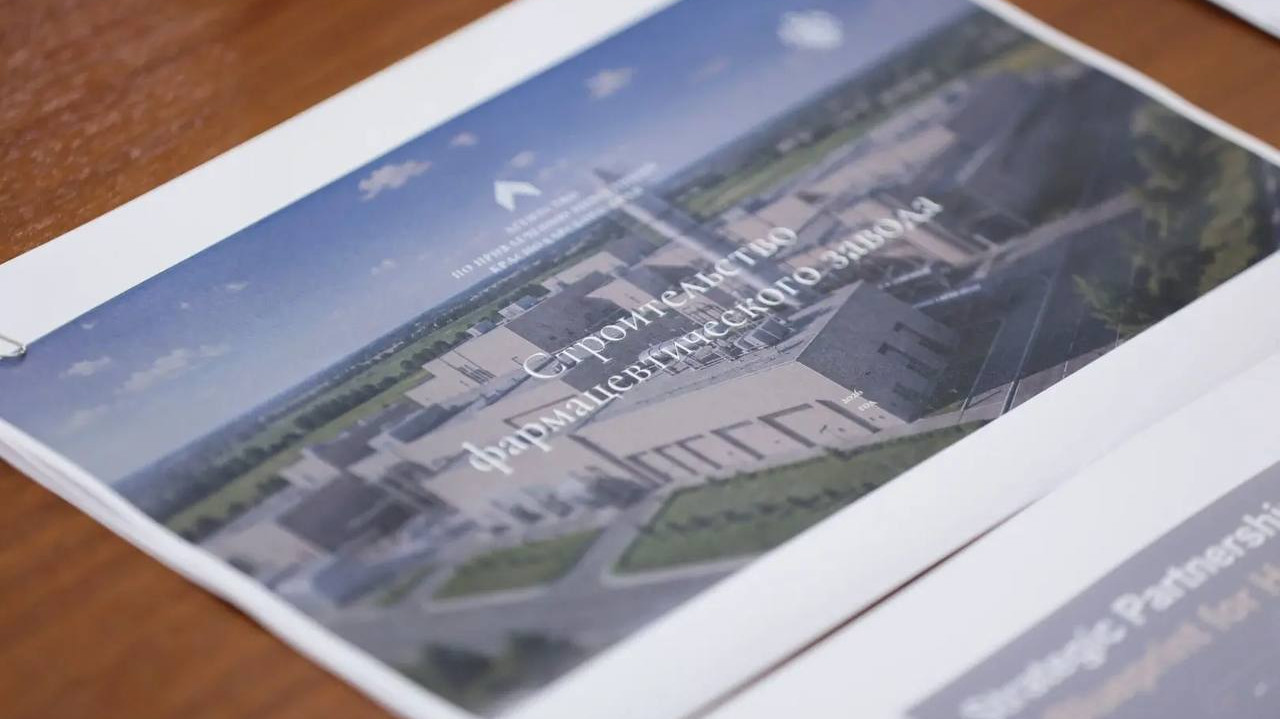

Reviving production of cheaper drugs may take long
[PharmVestnik # 5, 16/02/2016, p. 1, cont’d p. 3]
FAS to toughen competition in the API segment
In November 2015, the Russian Federal Antimonopoly Service suggested a one-time price hike by 5 RUB in the lowest drug price segment (less than 50 RUB). It was then that the FAS wrote a letter to the Russian government warning that more than 300 drug trademarks might disappear from the market; of them, 197 had been already discontinued. While the price escalation issue is still open, the FAS goes on looking into other ways to help the manufacturers of cheaper drugs. In early February, the agency convened an expert council represented by Pharma market players and remarked that the API market needed to be made more transparent and competitive, which would provide for reducing the finished dosage form costs.
[PharmVestnik # 5, 16/02/2016, p. 2]
Skolkovo Foundation won 2nd litigation against Pharma Bio Ltd.
On February 15, Moscow Court of Arbitration made a favorable judgment on Skolkovo Foundation’s 23 mn RUB suit against their resident. Pharma Bio Ltd. was charged with inappropriate use of funds. The company’s counter-claim for a 125.5 mn RUB grant for completing the project was rejected. It looks like the parties took a very tough stance in the dispute that has already generated two lawsuits, and they are ready to go all the way.
[PharmVestnik # 5, 16/02/2016, p. 3]
Pharmacy chains become less optimistic
When summing up the 2015 results, the largest pharmacy chains were much less positive than usual. On February 16, speaking at the 6th Pharmacy Summit hosted by Infor-Media, the top-rank market players could not boast an impressive profit growth as in late 2014 — early 2015. Consumer demand is heading down, and under the circumstances, pharmacy chains take a more balanced approach to making decisions on further expansion. They count on efficiency of the existing pharmacies rather than on their number. The companies vary in their expectations, but most of them are sure that it will be impossible to go on with their former strategies.
[PharmVestnik # 5, 16/02/2016, p. 4]
More and better
Minpromtorg sharpens the subsidy program
Amendments to the drug manufacturer subsidizing program have been drafted. PharmVestnik’s interlocutors note that this document is a result of joint efforts by Pharma and the Ministry of Industry and Trade. Some amendments may make life easier for local API manufacturers.
[PharmVestnik # 5, 16/02/2016, p. 5]
Anticrisis drug coverage funding significantly increased in 2016
The government intends to approve an economic support plan on February 25. This document is broken into two parts, i.e. emergency measures to stabilize the socioeconomic situation and strategic development actions. However, unofficially it is nicknamed an anticrisis plan as the bigger portion of the allocated funds will be spent on “band aid”. Allocating 50 bn RUB for drug coverage is an emergency measure. In 2016, the drug moneys are being allocated in four lines, whereas in 2015, emergency funding was required just for one line.
[PharmVestnik # 5, 16/02/2016, p. 6]
Meet the agents
The TNT TV channel is to launch a new medical show “003 Agents” on March 18. This was one of the few ambitious projects voiced by Aaron Lloyd Media CEO Yury ULYASHEV in his interview to PharmVestnik within the framework of the “Editorial Fireplace” rubric.
[PharmVestnik # 5, 16/02/2016, p. 7]
A long way up
An international conference “Pharmaceutical Business in Russia” was held in Moscow
“When I thought that I have already reached the bottom, there was a knock from beneath”. This quote from Stanislaw Jerzy Lec serves to describe the current situation in the Pharma market. On February 15, the lead industry experts gathered at Swissôtel Krasnye Kholmy in Moscow at the conference “Pharmaceutical Business in Russia: Pharma Market Development Prospects for 2016”. They discussed the current economic environment, threats, opportunities, and new growth points, market capacity and distribution of major forces, consumer behavior trends, price elasticity by segment, and regulatory initiatives. The conference was hosted by Infor-Media Russia, and PharmVestnik was the title media sponsor.
[PharmVestnik # 5, 16/02/2016, pp. 8-9]
Two main questions
Pharmacy chain leaders bust myths and deny rumors
In the new for the 6th Pharmacy Summit (February 16, Moscow) “one-on-one” format, the CEOs of two top-ranking pharmacy chains answered two questions that have been most popular with the professional community: 1) Has a criminal case been initiated against Pharmopt (a Pharmacy Chain 36.6 distributor)? 2) Is Samson Pharma for sale?
[PharmVestnik # 5, 16/02/2016, p. 10]
Facing the people
Medical insurance companies to maintain a direct dialog with patients
The recent legislative changes that have to do with the insurance services market will result in a reduction of the number of companies operating in the compulsory medical insurance segment. According to experts, the focus on consolidation in this segment is quite logical. The next step is to obligate the insurance companies to become the main protection vehicle and aid for the insured. Up to date, this function was rather weak as the insurers interacted with medical organizations rather than with patients.
[PharmVestnik # 5, 16/02/2016, p. 10]
Biopharmaceutical cluster (BPC) Severny supported seven new startups
Developing startups based on Moscow Institute of Physics and Technology and other cluster participants is among BPC Severny’s top priorities. Throughout 2015, the Severny team actively operated as a business accelerator. Casting news ideas, regular assessment of the innovation market, searching for and generating of projects among the current exploratory works, and crush tests were the major primary selection methods for the dozens of startups applying for the BPC support. As a result, Severny selected seven new small innovative enterprises that have officially become the residents.
[PharmVestnik # 5, 16/02/2016, p. 14]
Experts discussed ways to avoid cheap drug washout from market
The roundtable titled “Are local drugs to be trusted?” that was held on February 12 at Rossiyskaya Gazeta (Russian Newspaper) media center touched upon the necessity to prevent mass rejection of local manufacturers from cheap drugs as they are non-profitable. Prior to that, this problem had been already brought to the government, and Vice Premier Olga Golodets declared that the development of manufacturer support mechanisms was underway. However, businesses, regulators, and economic experts differ in their views on the ways out of the situation. How can a shortage of cheaper drugs in the Russian market be prevented?
[PharmVestnik # 5, 16/02/2016, p. 15]
Insulin dependence
Analysis of competitive bidding of insulin drugs and similars in Russia, 2015
According to the Information and Analytical System “Zakupki” (Procurement), competitive biddings of insulin drugs and similars in 2015 amounted to 15.07 bn RUB, which equals 10.14 mn packs in real terms.
[PharmVestnik # 5, 16/02/2016, pp. 16-17]
Clinical trials in Russia, 2015
According to the latest Orange Book data (publisher: CRO Synergy), in 2015, the Ministry of Health of the Russian Federation issued 802 permits for all types of clinical trials, 7% up vs. 2014.
[PharmVestnik # 5, 16/02/2016, p. 18]
Aiming at TOP5
Distributor develops due to an integrated approach
Notwithstanding the tough economic situation, the top managers of BSS, a St. Petersburg-based wholesaler, have set an ambitious goal of making their way to the TOP5 ranks within the next 2 to 3 years.
[PharmVestnik # 5, 16/02/2016, p. 21]